100+ languages
SANIA can communicate in more than 100 languages to support visitors from different countries and backgrounds.

SANIA provides conversational visitor services on interactive displays and kiosks in more than 100 languages. Visitors can ask questions naturally and access information made available by your organization without navigating a different menu for every language.
Language can quickly become a barrier when visitors need opening hours, directions, service information, procedures or practical guidance in a public-facing environment.
Traditional multilingual interfaces often require users to select a language and then navigate a separate path. A conversational AI avatar takes a different approach: visitors can directly express what they need and receive an answer in a language they understand, based on the information available to the system.
This is particularly relevant for tourism, hospitality, museums, shopping centres, retail, companies, public authorities and other environments serving international audiences.
SANIA combines conversation, multilingual communication and business knowledge to make information easier to access.
SANIA can communicate in more than 100 languages to support visitors from different countries and backgrounds.
Visitors can ask what they need without knowing the organization’s internal menu structure or terminology.
Answers use a knowledge base built from the business information and content you choose to provide.
SANIA is designed for physical spaces and can be deployed on different compatible interactive display and kiosk formats.
The goal is not simply to display multiple translated versions of the same interface. A conversational experience lets visitors express their needs in their own words. SANIA then uses conversational AI to interpret the request and build a response from the information available.
Interaction can be voice-based and, depending on the project configuration, complemented by touch. The right setup depends on the real environment, including noise levels, screen placement, privacy expectations, hardware and visitor profiles.
Multilingual capability should support clarity rather than complexity. Reliable, current and context-appropriate business information remains essential to a useful experience.
An avatar that speaks many languages is only useful if it has the right information. SANIA can use an organization-specific knowledge base containing practical information, services, products, opening hours, documents, procedures and other business content.
SANIA should not be treated as a set of manually scripted conversations for every language. The organization primarily defines the information scope and maintains high-quality content. SANIA can use that context when answering in supported languages.
Requests requiring human decisions, specialist expertise or connections to third-party systems must remain clearly separate from SANIA’s native capabilities. Multilingual communication improves access to information but does not automatically automate every business process.
One knowledge base. 100+ languages. One visitor touchpoint.
The value of multilingual reception depends on the audience, the information involved and the constraints of each physical environment.
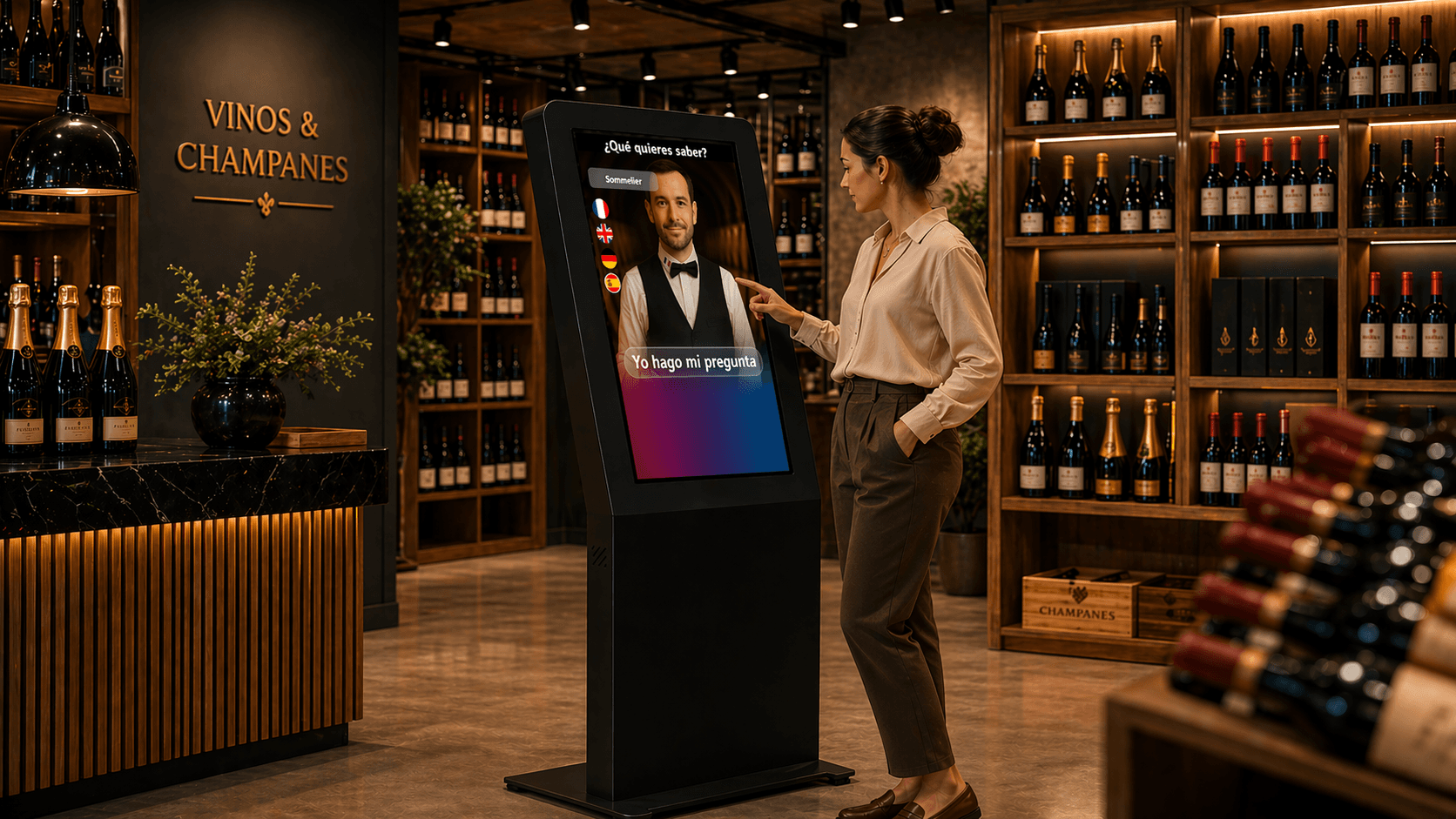
SANIA turns a display or interactive kiosk into a conversational information point that can answer using the store’s own content and knowledge.
Discover →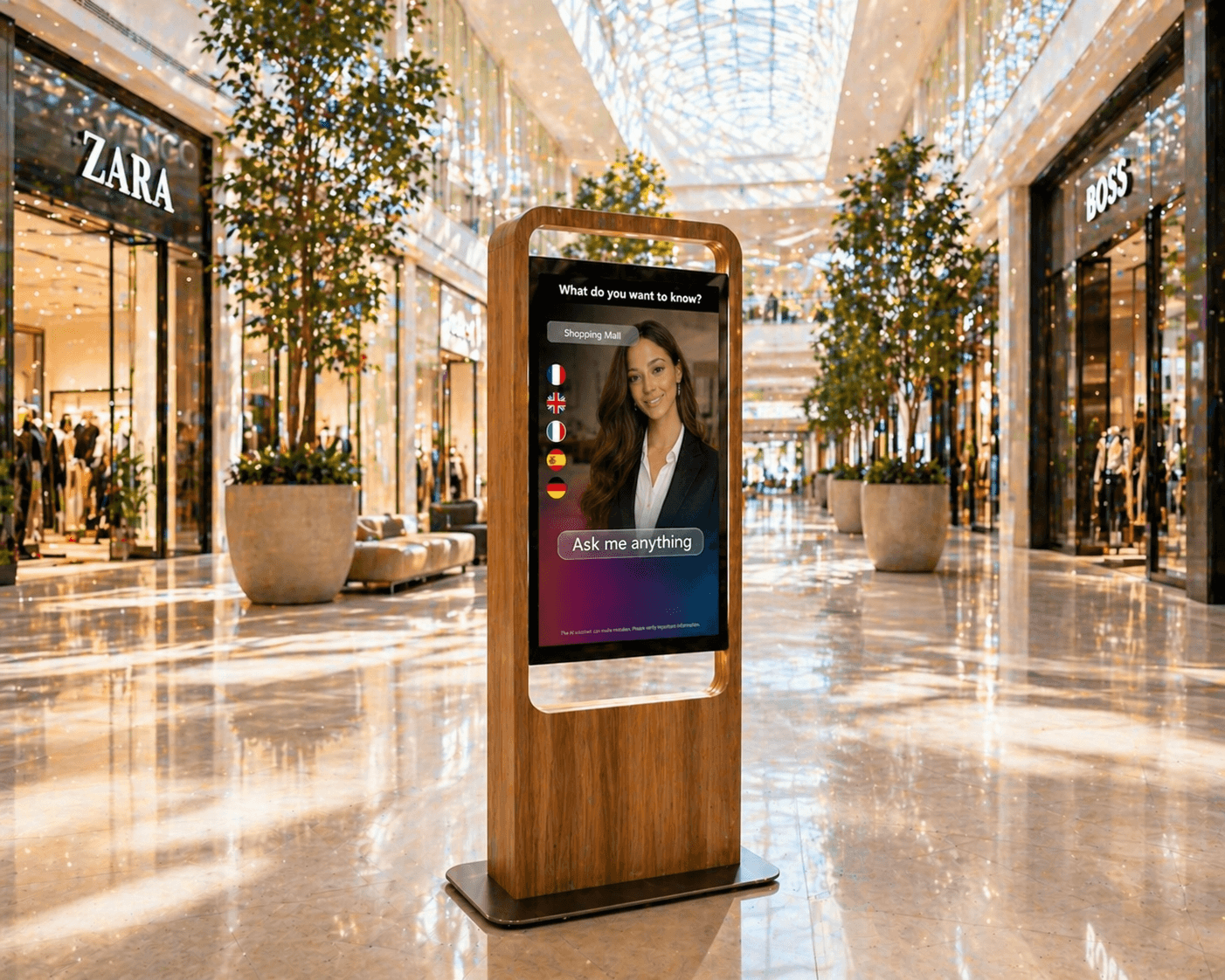
SANIA can centralise useful visitor information and make it accessible through natural conversation on a display or interactive kiosk.
Discover →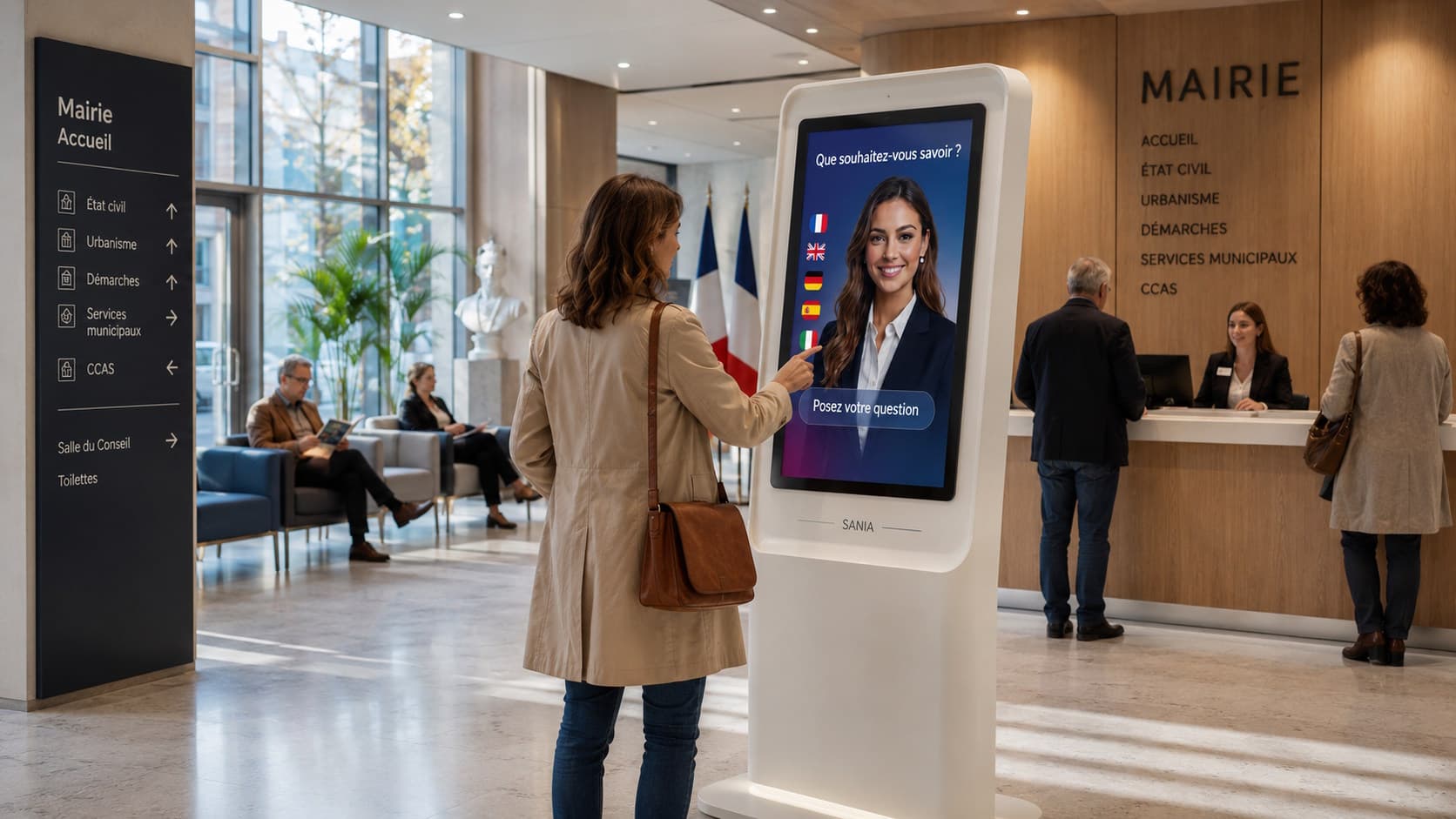
SANIA makes destination information accessible through natural conversation on a display or interactive kiosk.
Discover →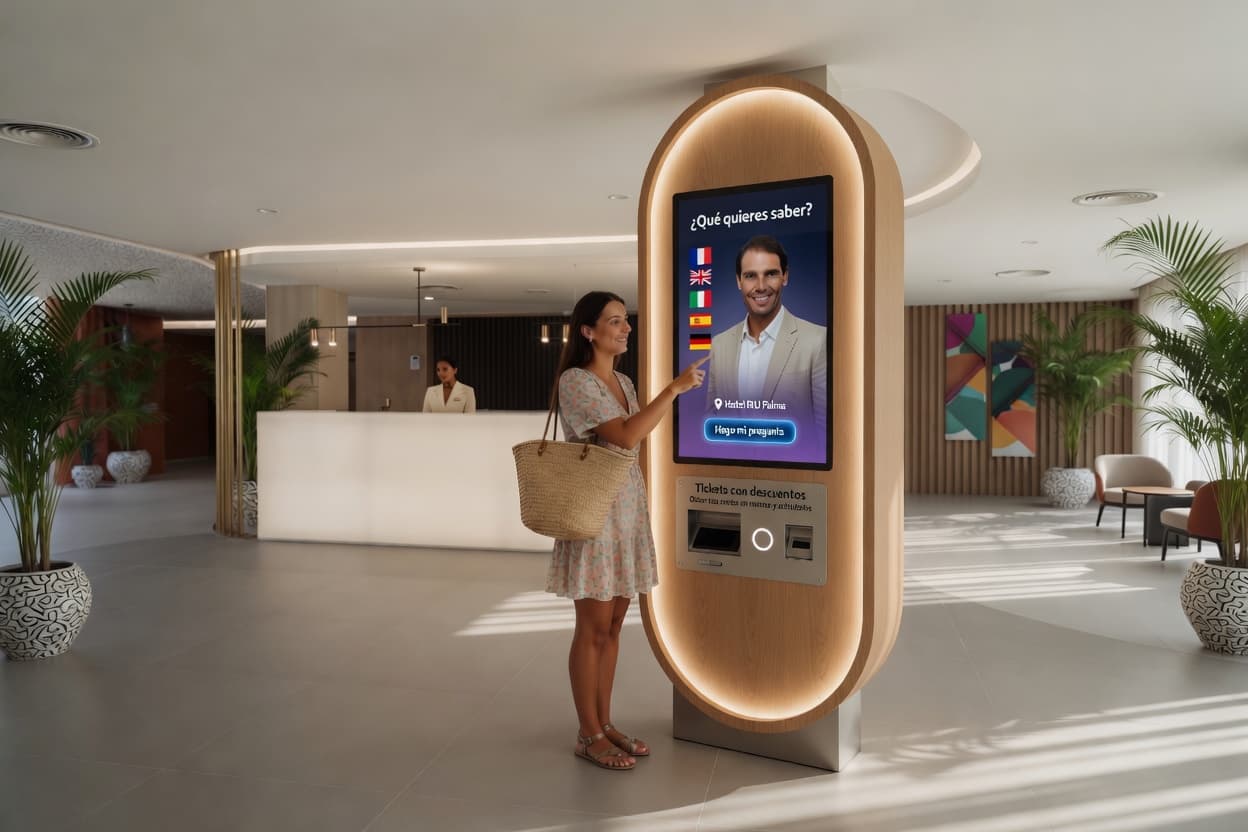
SANIA can answer questions about the property, its services and useful stay information using content supplied by the hotel.
Discover →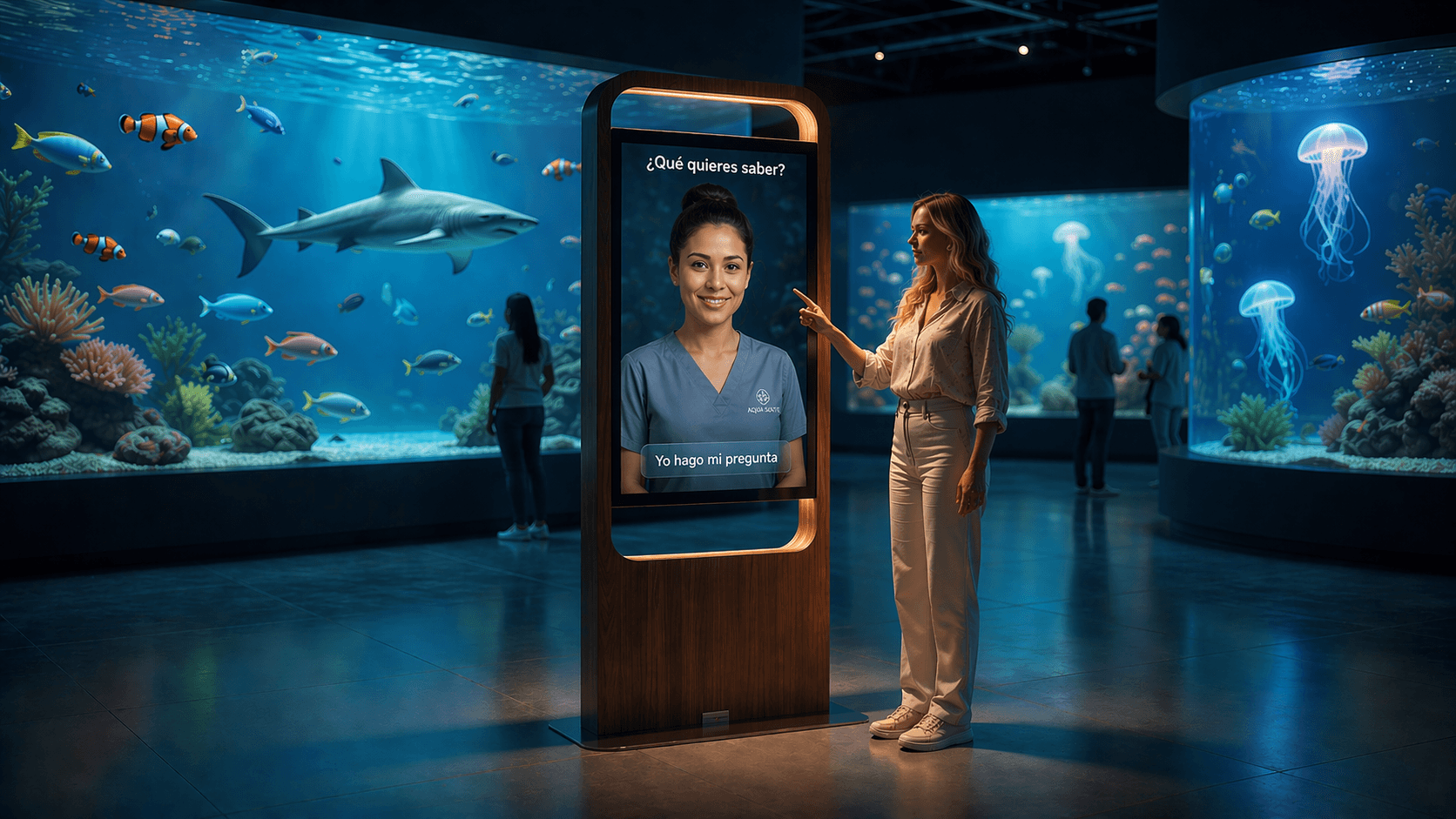
SANIA lets visitors naturally question content made available by a museum or cultural venue.
Discover →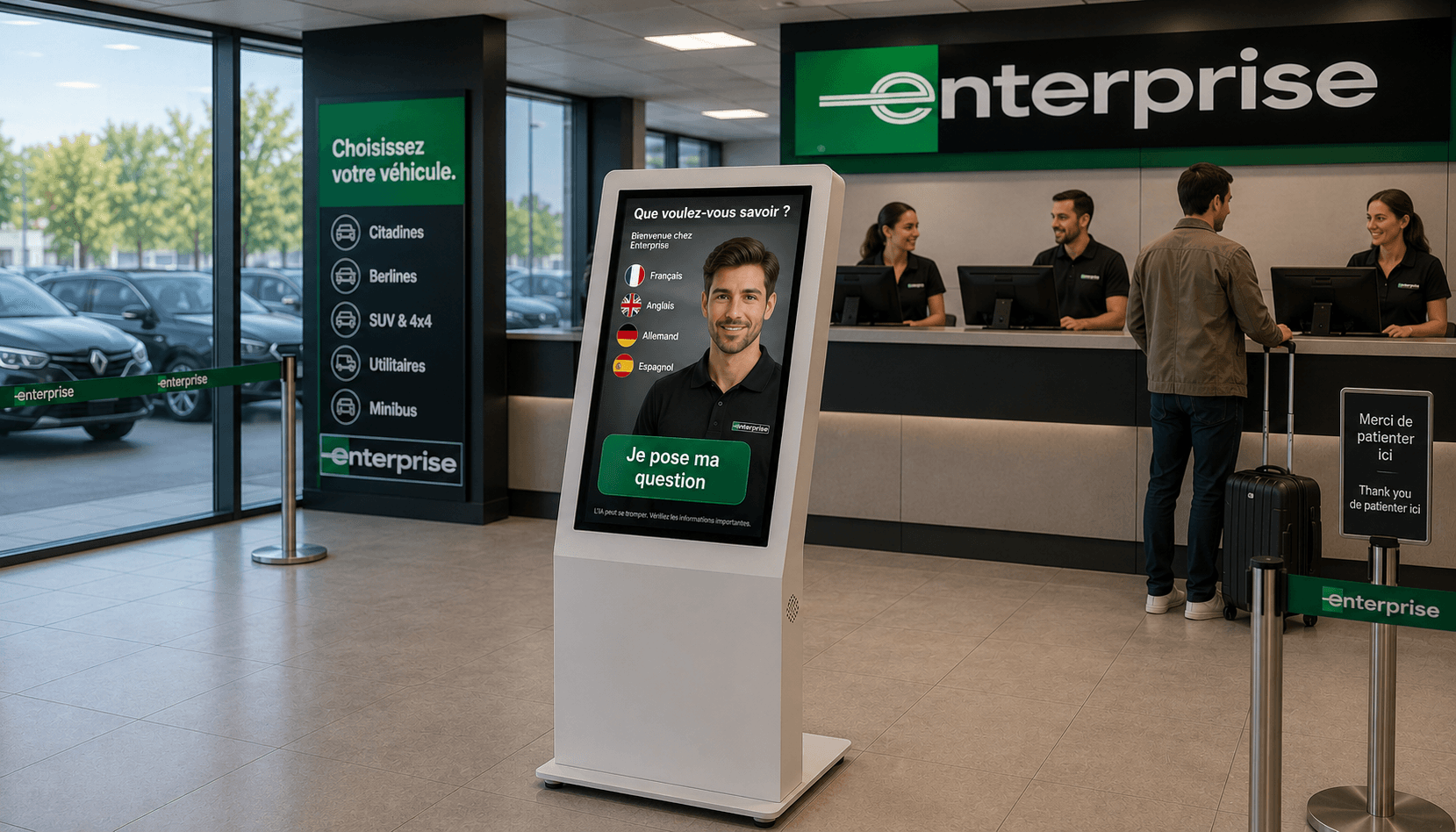
SANIA can welcome, inform and guide visitors using company-specific information on a display or interactive kiosk.
Discover →SANIA can inform and guide users using information supplied and validated by the public authority, without replacing administrative decisions.
Discover →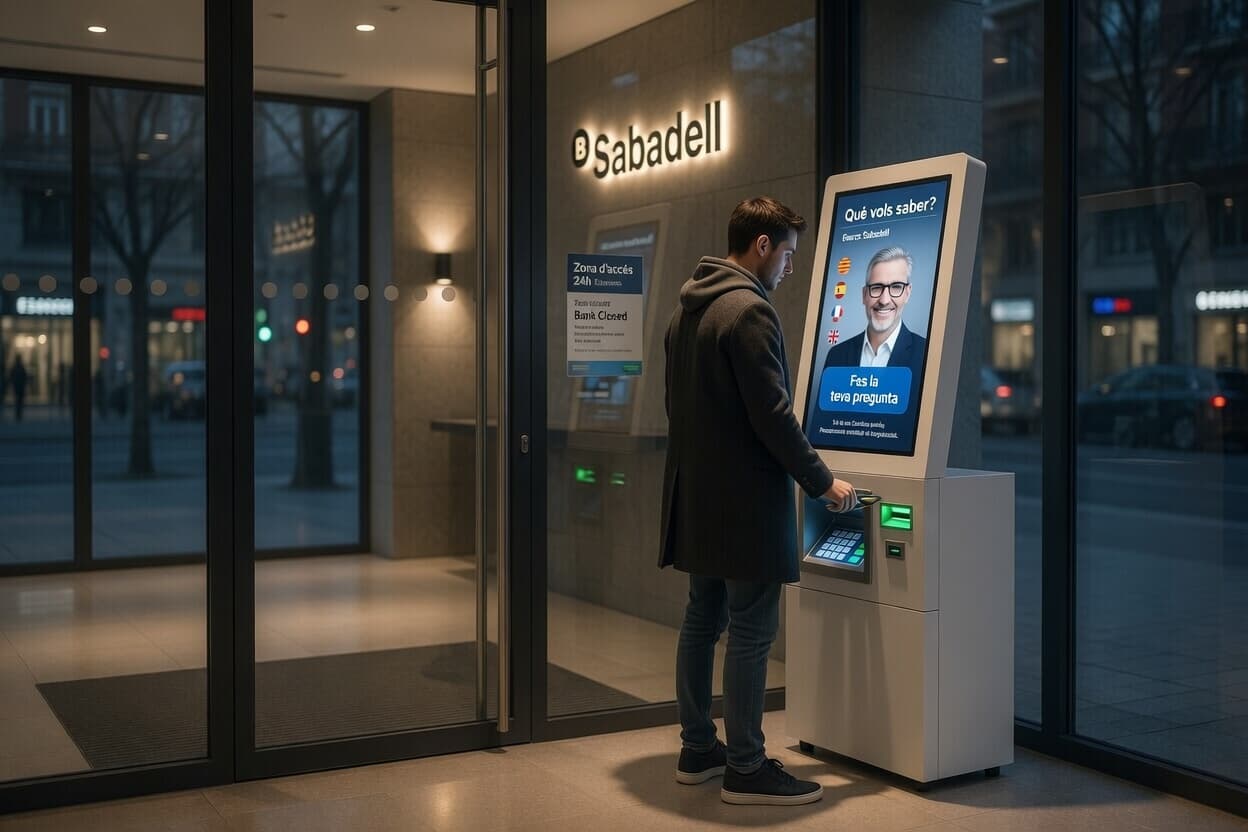
SANIA can present general branch and service information from validated content, without performing transactions or providing financial advice.
Discover →Start with the questions visitors actually ask and identify the information that needs to be accessible across languages. Then review the quality, consistency and freshness of the content supplied to the knowledge base.
Screen or kiosk format, placement and interaction mode should be selected for the real location. Voice can feel natural in a quiet environment, while noisy spaces may require a different approach to interface and hardware.
The project can evolve over time. Questions encountered in real use can reveal new information needs and help enrich available content while keeping a coherent experience across languages.
The number of languages is only one aspect of multilingual visitor services. You also need to define what the avatar should know, which situations it can handle, when visitors should be directed to staff and how the physical setup will be used.
If the project requires data exchange with a third-party system, that connection must be assessed separately. It should not be assumed to be part of SANIA simply because the avatar can communicate in multiple languages.
Identify priority audiences and visitor situations
Prepare reliable and current business information
Define the avatar’s information scope
Choose voice, touch or both according to the location
Define situations where visitors should be directed to staff
The best way to understand the multilingual experience is to ask SANIA a question and see how the avatar adapts to the conversation.
SANIA can communicate in more than 100 languages. This makes it possible to provide one conversational visitor touchpoint for international audiences on a compatible display or kiosk.
No. SANIA’s multilingual operation does not mean that a complete scripted flow has to be built or manually translated for each language. The organization should primarily provide clear, reliable and current business information within the avatar’s intended scope.
Yes. SANIA can be deployed on different compatible interactive display and kiosk formats. Interaction can be voice-based and, depending on the chosen configuration, complemented by a touch interface.
Tell us about your location, audiences and the information you want to make accessible. We can prepare a SANIA demonstration adapted to your context.